
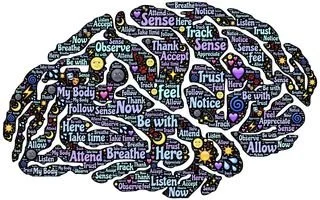
Emotional Regulation
Thoughts Are Not Facts: Explore how automatic thoughts can influence emotions and reactions. Participants will learn to recognize patterns such as catastrophizing, mind reading, and all-or-nothing thinking and practice separating assumptions from observable facts. The group will work on developing balanced thoughts that are realistic rather than artificially positive.
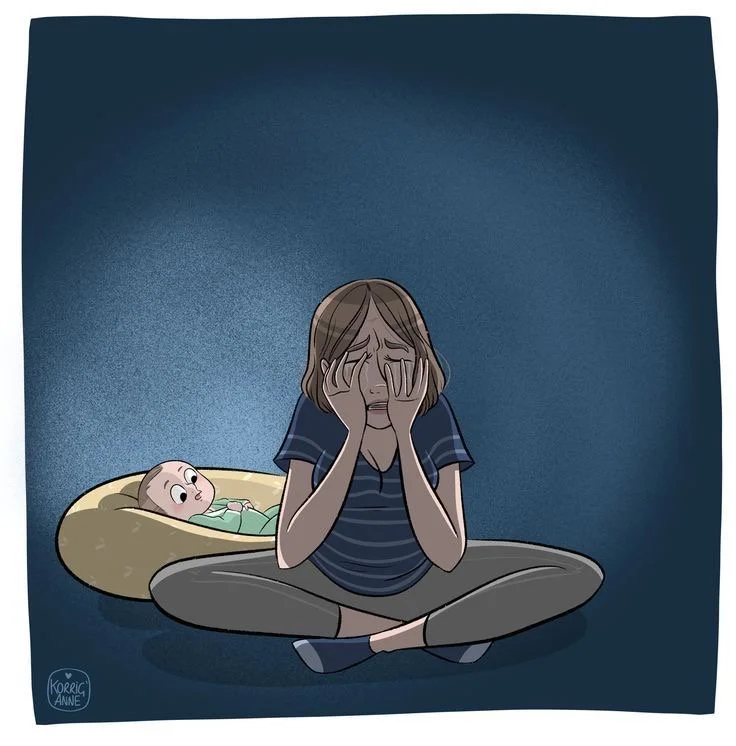
Maternal Burnout
Week 7 — Building Your Rescue Team: Caregiving was never meant to happen in isolation. This week focuses on identifying existing and potential sources of support, recognizing barriers to asking for help, and practicing clear, specific requests for the kind of support you actually need.
Emotional Regulation
Week 5 — Anger & the Pause Button: Anger can communicate that something feels unfair, threatening, painful, or important—but it does not have to determine what happens next. Participants will explore what may exist underneath anger, identify personal triggers and warning signs, and practice pausing, communicating needs, and choosing responses rather than reacting automatically.
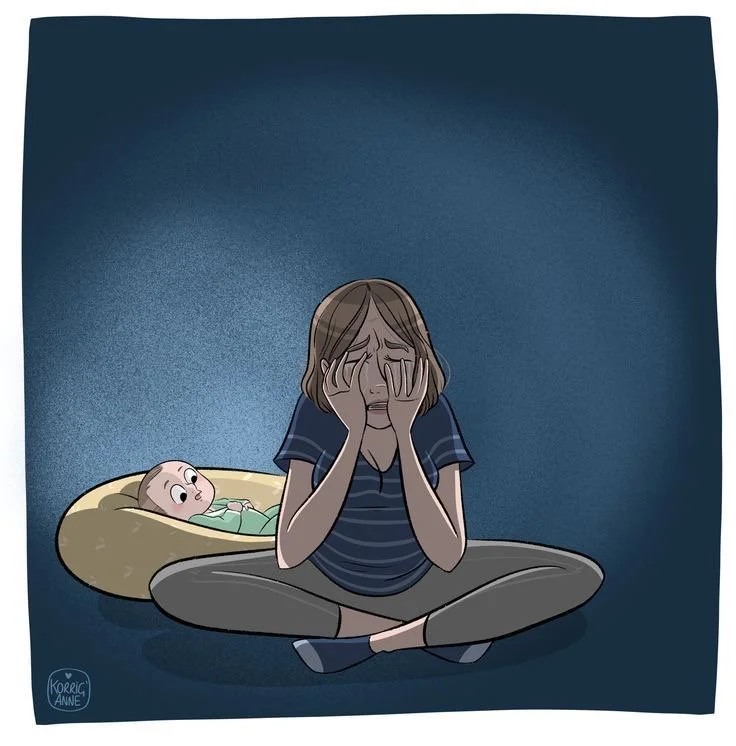
Maternal Burnout
Week 8 — Rewriting the Narrative: Bring the group together by looking beyond stories of failure, inadequacy, or “not doing enough.” Participants will reflect on their values, recognize strengths and survival, and create a more compassionate and sustainable vision for caring for themselves while caring for others.
Emotional Regulation
Week 6 — Shame & Self-Compassion: Explore the difference between guilt—“I did something I regret”—and shame—“There is something wrong with me.” Participants will identify patterns of harsh self-talk and practice responding to mistakes, stress, and perceived shortcomings with greater self-compassion while still maintaining accountability.
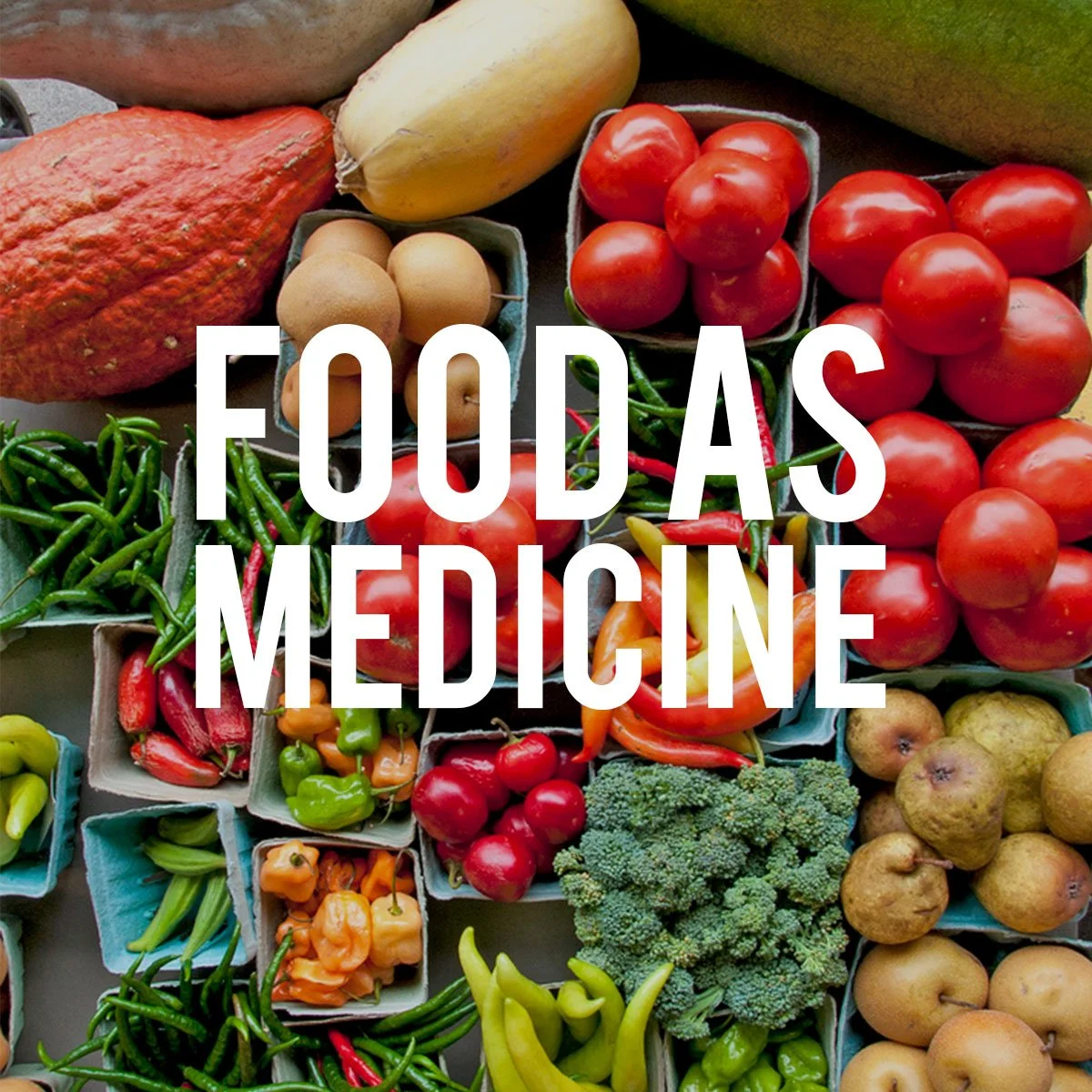
Food As Medicine
Week 1 — Nourishing the Body: What Does It Mean to Be Nourished?
Explore nourishment beyond rules about what we “should” eat. Participants will look at how food supports energy, health, satisfaction, and daily life while considering real-world factors such as time, cost, access, culture, and personal preferences. Together, we’ll explore what a nourishing plate can look like without requiring perfection.
Emotional Regulation
Week 7 — Coping Ahead: Emotional regulation becomes easier when we do not wait until the difficult moment to decide what to do. Participants will identify upcoming stressful situations and create realistic If–Then plans for handling triggers, difficult conversations, work stress, family conflict, and other emotionally challenging situations.
Food As Medicine
Week 2 — Food, Feelings & Memory
Food carries more than nutrients—it can carry memories, comfort, grief, celebration, family, and connection. Participants will explore their emotional relationships with food and reflect on the foods, people, and experiences that have shaped what nourishment means to them.
Emotional Regulation
Week 8 — Building Your Emotional Regulation Toolkit: Bring the skills from the entire group together into an individualized plan. Participants will identify their emotional warning signs, preferred coping strategies, helpful thought-challenging techniques, communication tools, and sources of support so they leave with a practical toolkit they can continue using after the group ends.
Food As Medicine
Week 3 — The Shared Table: Food & Connection
Explore the role food plays in bringing people together. Through preparing and sharing food, we’ll look at belonging, hospitality, family roles, and the ways meals can create connection. We’ll also consider an often-overlooked question: Who gets to enjoy the table, and who is doing the work behind it?
Food as Medicine
Week 4 — Roots, Meaning & Tradition
Our food traditions hold stories. Participants will explore foods, recipes, ingredients, and practices connected to family, culture, place, and identity. This week centers cultural food traditions as sources of knowledge and connection rather than treating wellness as something that requires leaving familiar foods behind.
Food as Medicine
Week 5 — Knowledge We Carry
You do not need a nutrition textbook to have valuable knowledge about food. Participants will share practical food wisdom learned from family, community, lived experience, and one another—from stretching ingredients to cooking techniques and recipes. The group becomes a place to recognize and exchange the knowledge already present in the community.
Food as Medicine
Week 6 — The Work of Feeding People
Feeding ourselves and others takes physical, mental, and emotional labor. Participants will examine the often-invisible work involved in planning meals, shopping, budgeting, cooking, remembering preferences, and cleaning up. We’ll explore ways to share that labor, ask for help, and make feeding ourselves and our families more sustainable.
Maternal Burnout
Week 6 — Permission to Feel Anger: Create space for an emotion caregivers are often taught they should not feel. We’ll explore anger, resentment, ambivalence, and emotional suppression without judgment, while learning to recognize what anger may be communicating and identify safe, constructive ways to respond.
Emotional Regulation
Week 3 — Distress Tolerance: Getting Through the Moment: Sometimes the immediate goal is not to solve the problem—it is to get through an intense moment without making it worse. Participants will learn and practice TIPP skills for managing panic, anger, emotional flooding, and overwhelm, then identify which strategies are most realistic for their lives.
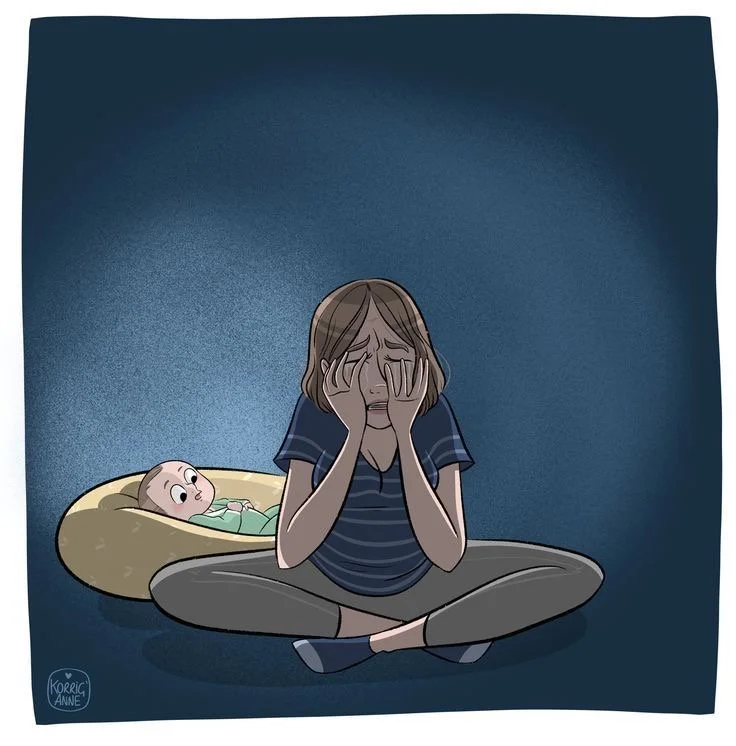
Maternal Burnout
Week 5 — Sleep & Sensory Overload: Examine how sleep deprivation, noise, touch, clutter, interruptions, and other forms of overstimulation can affect the nervous system. Participants will identify their own signs of overload and develop realistic strategies for creating moments of rest and sensory relief—even when ideal rest is not possible
Emotional Regulation
Week 2 — Recognizing Emotional Warning Signs: Emotions rarely go from zero to ten without warning. Participants will learn to recognize their personal green, yellow, and red zones and identify the physical sensations, thoughts, and behaviors that signal increasing emotional intensity. The goal is to intervene earlier, when coping skills are easier to access.
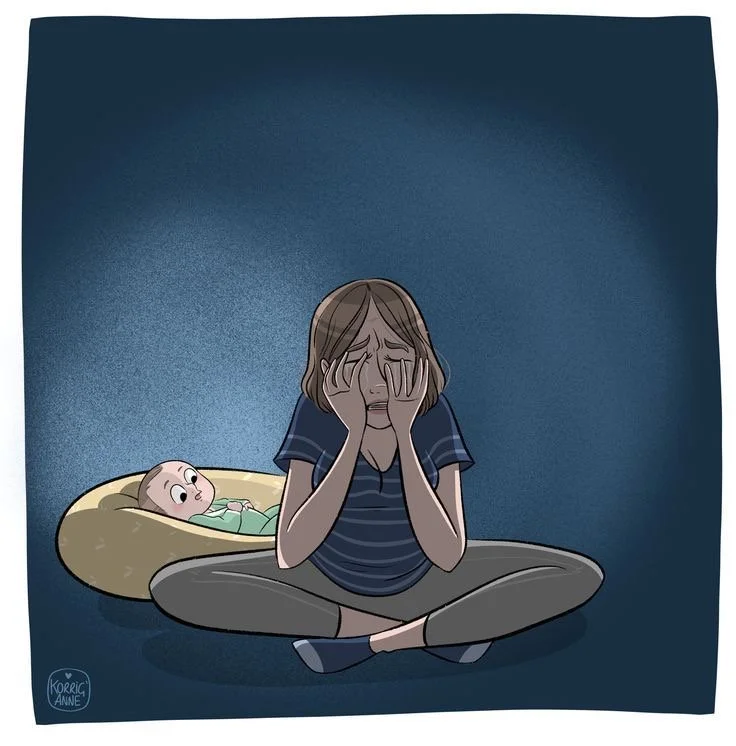
Maternal Burnout
Week 4 — The Mental Load: Make the invisible work of caregiving visible. We’ll explore the constant planning, remembering, anticipating, worrying, and emotional labor that can contribute to overwhelm, then practice ways to sort responsibilities, share what can be shared, and let go of what does not have to be carried right now.
Emotional Regulation
Week 1 — Understanding the Emotional Brain: Learn what happens in the brain and body when emotions become overwhelming. Participants will explore their own patterns of emotional escalation, identify signs that their “thinking brain” is going offline, and practice a regulation strategy for slowing down before reacting. The emphasis is not on eliminating emotions, but understanding them and responding more intentionally.
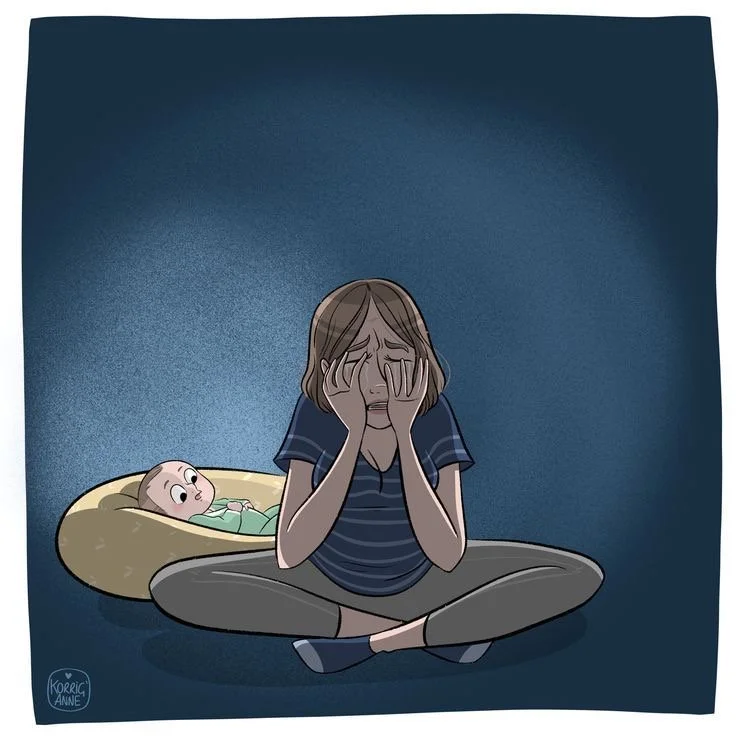
Maternal Burnout
Week 3 — Setting Micro-Boundaries: Explore how small, realistic boundaries can protect your time, energy, and emotional well-being. We’ll identify what is within your control, recognize where limits may be needed, and practice simple ways to communicate boundaries without overexplaining or feeling responsible for someone else’s reaction.
Emotional Regulation for Teens (ages 13-17)
A supportive, judgment-free group designed to help teens better understand and manage big emotions. Through engaging activities, practical coping strategies, and guided discussion, teens will learn skills for recognizing emotional triggers, communicating their needs, managing stress, and responding to difficult situations in healthier ways.
This group offers a safe space to connect, build confidence, and practice real-life emotional regulation skills alongside peers who may be navigating similar challenges.
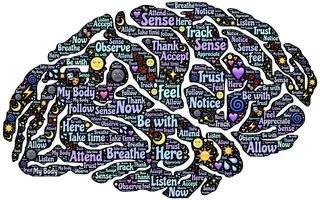
Emotional Regulation for Teens (ages 13-17)
A supportive, judgment-free group designed to help teens better understand and manage big emotions. Through engaging activities, practical coping strategies, and guided discussion, teens will learn skills for recognizing emotional triggers, communicating their needs, managing stress, and responding to difficult situations in healthier ways.
This group offers a safe space to connect, build confidence, and practice real-life emotional regulation skills alongside peers who may be navigating similar challenges.